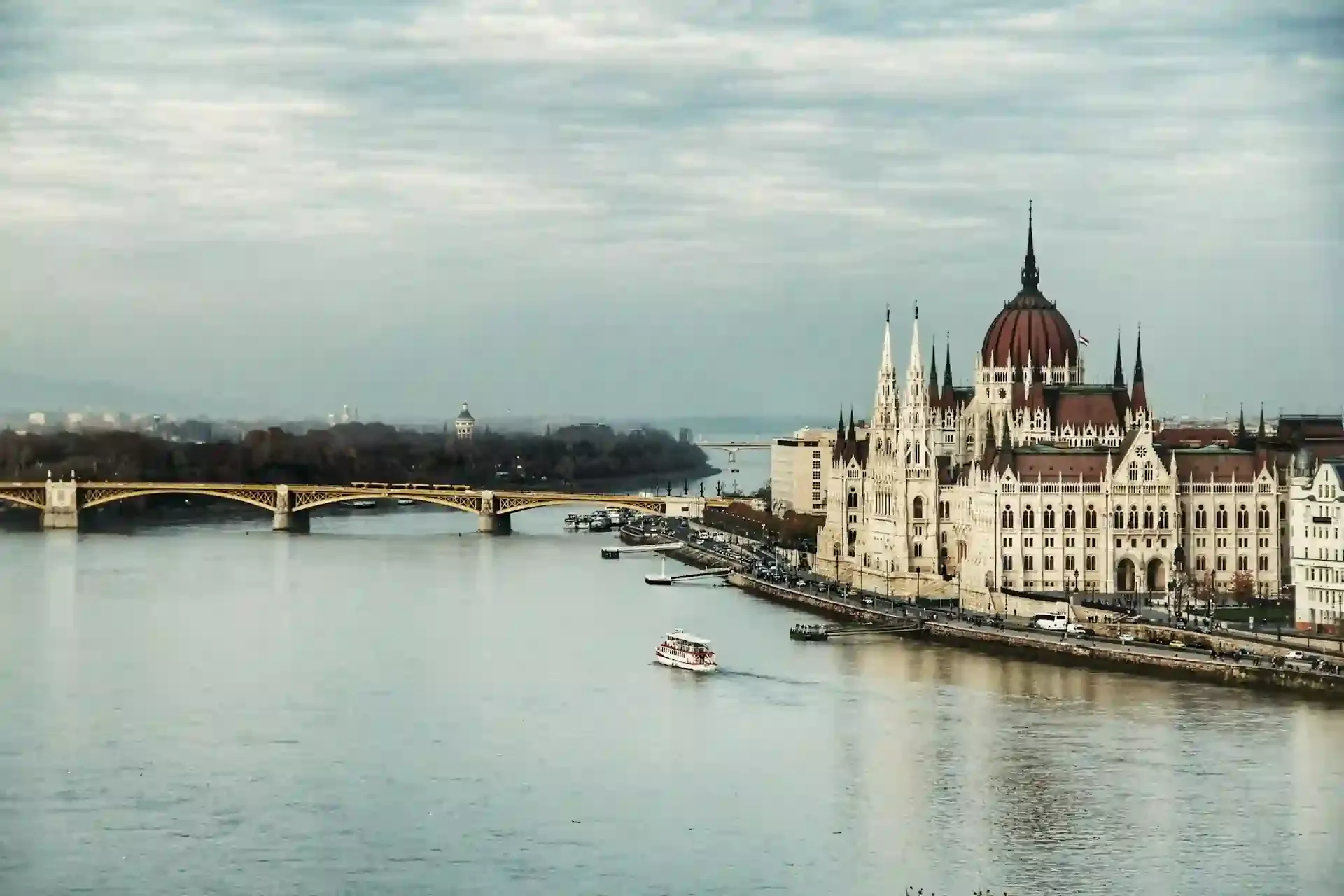
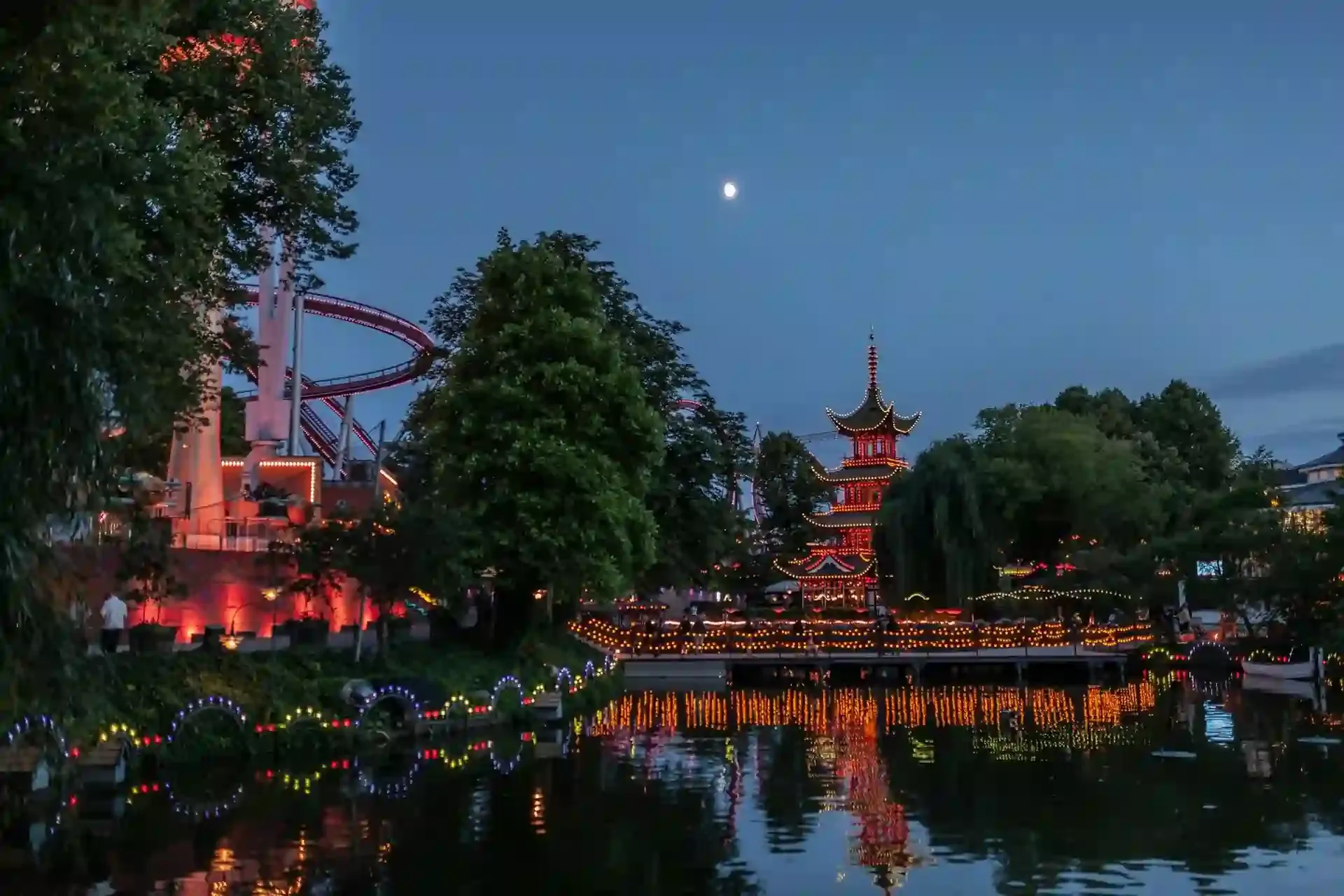
travel content
10 Alternatives to Europe’s Most Crowded Destinations This Easter Break
Don't let the crowds take away the experience.
Easter in Europe sounds idyllic until you're shoulder-to-shoulder with a million other people who had the same idea.
Some cities don't just get busy at Easter; they buckle under the weight of tourism. We crunched tourist density data, measuring visitors per square kilometer, to identify the 10 most overcrowded destinations this Easter and matched each one with a quieter alternative that delivers the same magic without the chaos.
Here are the 10 most overcrowded European destinations to skip this Easter Break and their alternatives:
1. Barcelona, Spain → Tarragona, Spain

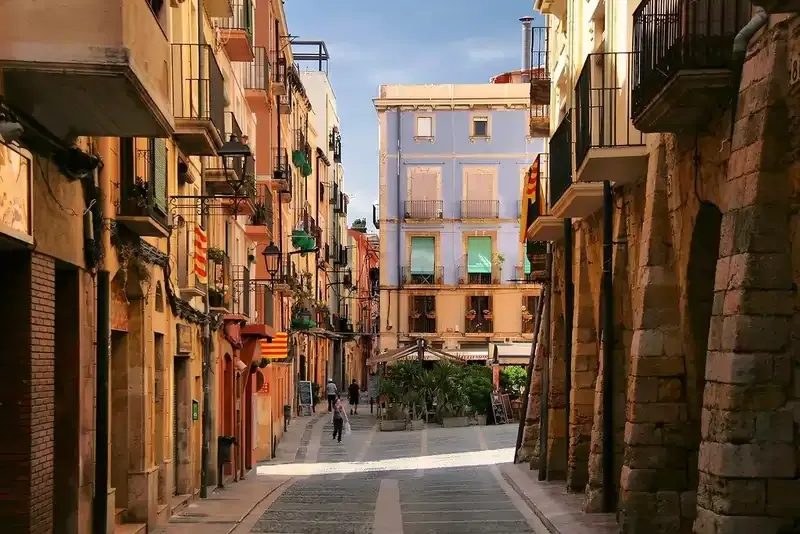
Barcelona Overview
- Number of residents: 1,686,208
- Number of tourists: 16,000,000
- Tourists per resident: 9.5 (around 9–10 tourists for every resident)
Barcelona is known for its stunning architecture, beaches, and vibrant food scene. However, with around 9.5 tourists for every resident, the city has been significantly impacted by overtourism in recent years.
Why Tarragona? Tarragona, just an hour away, offers similar Mediterranean vibes. It has a beautiful coastline, impressive Roman ruins, and a charming old town with Gothic architecture- all without the overwhelming crowds.
2. Porto, Portugal → Guimarães, Portugal

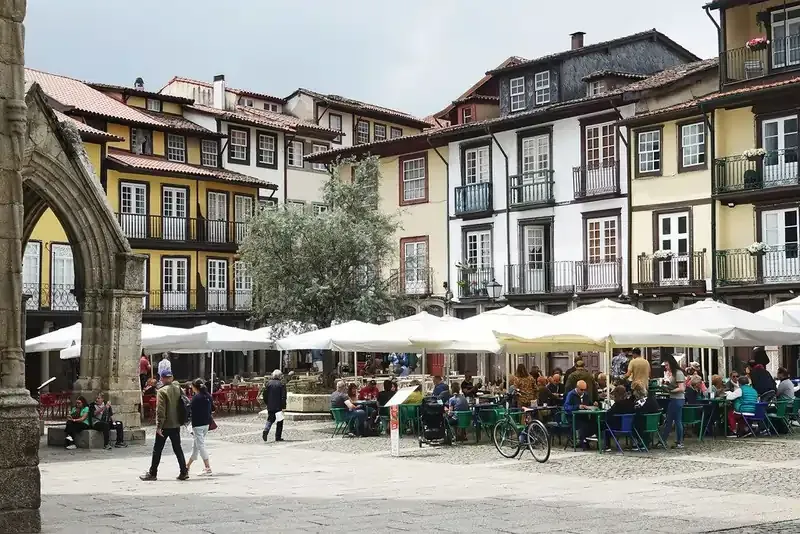
Porto Overview
- Number of residents: 252,687
- Number of tourists: 7,400,000
- Tourists per resident: 29.3 (around 29 tourists for every resident)
Porto’s riverfront, wine culture, and historic buildings make it a favorite and almost constantly very busy.
Why Guimarães? Guimarães is a quieter and equally charming option. Known as the birthplace of Portugal, this city has a well-preserved medieval center, unique architecture, and a rich history to explore without the long lines and crowded streets.
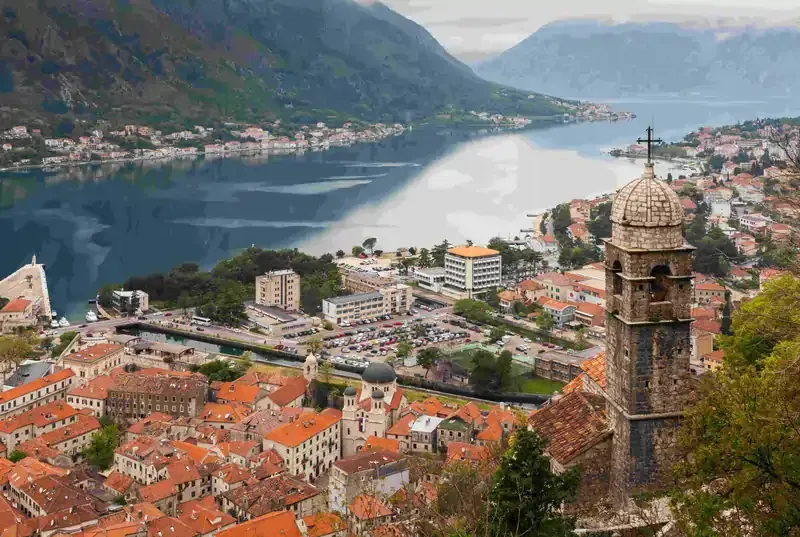
3. Dubrovnik, Croatia → Kotor, Montenegro

Dubrovnik Overview
- Number of residents: 41,562
- Number of tourists: 1,500,000
- Tourists per resident: 36.1 (around 36 tourists for every resident)
Dubrovnik is breathtaking but often overcrowded, especially with cruise ship tourists.
Why Kotor? Kotor, just across the border in Montenegro, offers a similar medieval old town, beautiful Adriatic views, and historic fortifications. Plus, it's more affordable and much less busy.
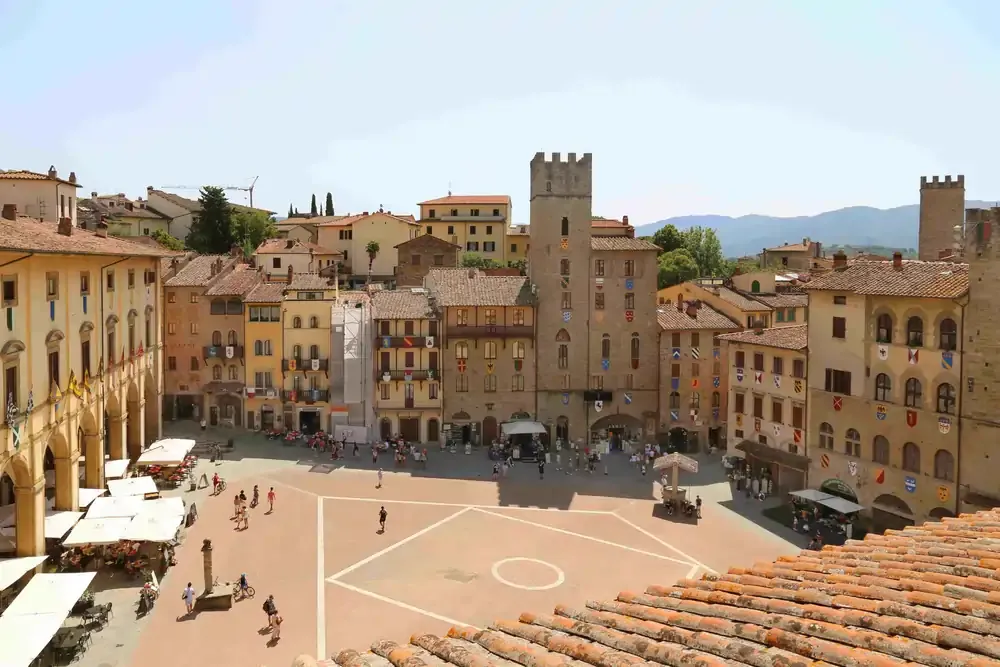
4. Florence, Italy → Arezzo, Italy

Florence Overview
- Number of residents: 362,353
- Number of tourists: 9,700,000
- Tourists per resident: 26.8 (around 27 tourists for every resident)
Florence is famous for its Renaissance art and architecture, but it can feel quite overwhelming with so many tourists.
Why Arezzo? Arezzo, a smaller Tuscan town, has beautiful medieval streets, stunning churches, and impressive Renaissance art, minus the massive crowds. It’s a real hidden gem for an authentic Italian experience.
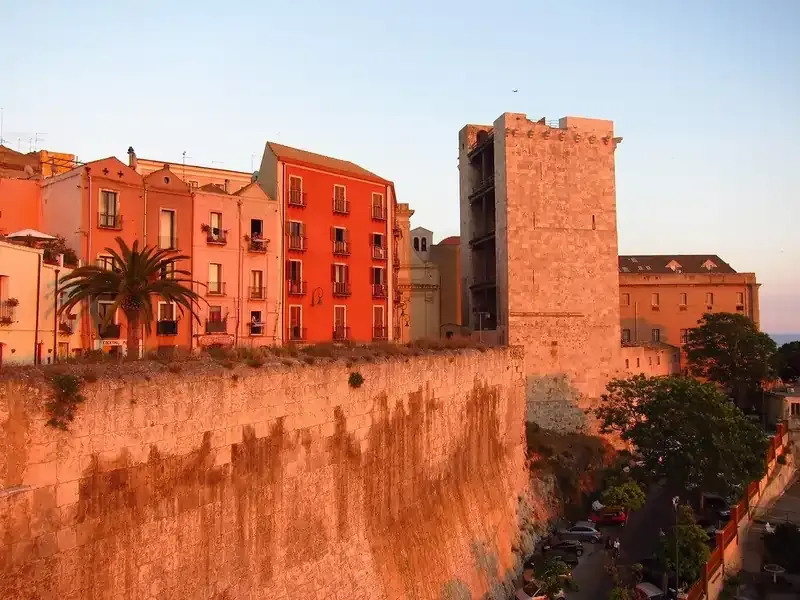
5. Lisbon, Portugal → Cagliari, Sardinia, Italy

Lisbon Overview
- Number of residents: 575,739
- Number of tourists: 8,520,000
- Tourists per resident: 14.8 (around 15 tourists for every resident)
Lisbon’s scenic hills and colorful streets attract thousands of visitors, making it difficult to enjoy its beauty.
Why Cagliari? Cagliari, on the island of Sardinia, offers a similar coastal charm, lively streets, and rich maritime history, but with fewer tourists and a more laid-back atmosphere.
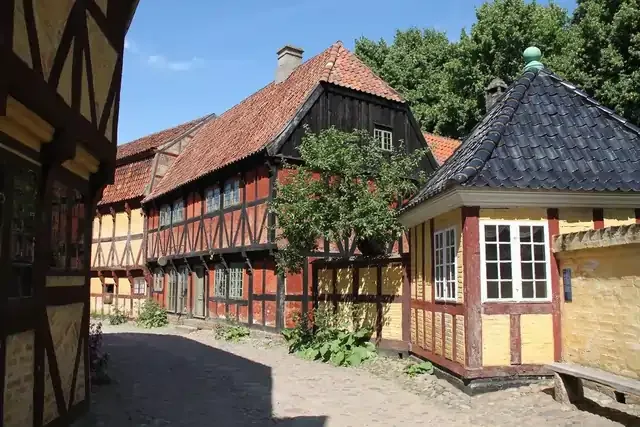
6. Copenhagen, Denmark → Aarhus, Denmark

Copenhagen Overview
- Number of residents: 667,099
- Number of tourists: 11,700,000
- Tourists per resident: 17.5 (around 18 tourists for every resident)
Copenhagen is known for its colorful waterfront, cycling culture, and world-class museums.
Why Aarhus? Aarhus also has all these things, but without the crowds. It’s Denmark’s second-largest city and offers a similar Scandinavian charm, a great art scene, and cozy streets to explore at a slower pace.
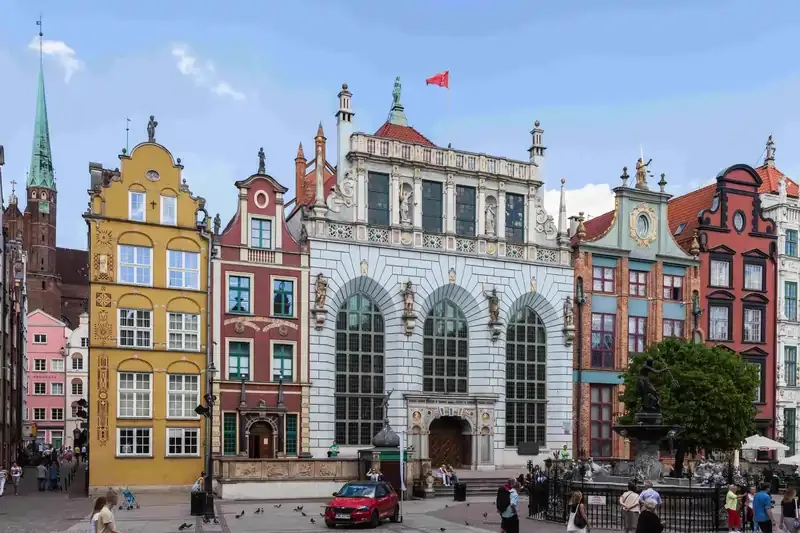
7. Bruges, Belgium → Gdańsk, Poland

Bruges Overview
- Number of residents: 119,587
- Number of tourists: 8,600,000
- Tourists per resident: 71.9
Bruges is a fairy-tale destination with its canals, medieval architecture, and cobblestone streets, but it’s often too busy to enjoy properly.
Why Gdańsk? Gdańsk, in Poland, offers a similar historic charm, beautiful waterfront, and old-world ambiance, but with more space to enjoy it.
8. Edinburgh, Scotland → Stirling, Scotland


Edinburgh Overview
- Number of residents: 489,000
- Number of tourists: 8,400,000
- Tourists per resident: 17.2
Edinburgh’s castle and old town are must-sees, but the city can be packed with tourists.
Why Stirling? Stirling, just an hour away, also has a majestic castle on a hill, charming cobbled streets, and a strong Scottish heritage, which makes it a quieter but equally stunning alternative.
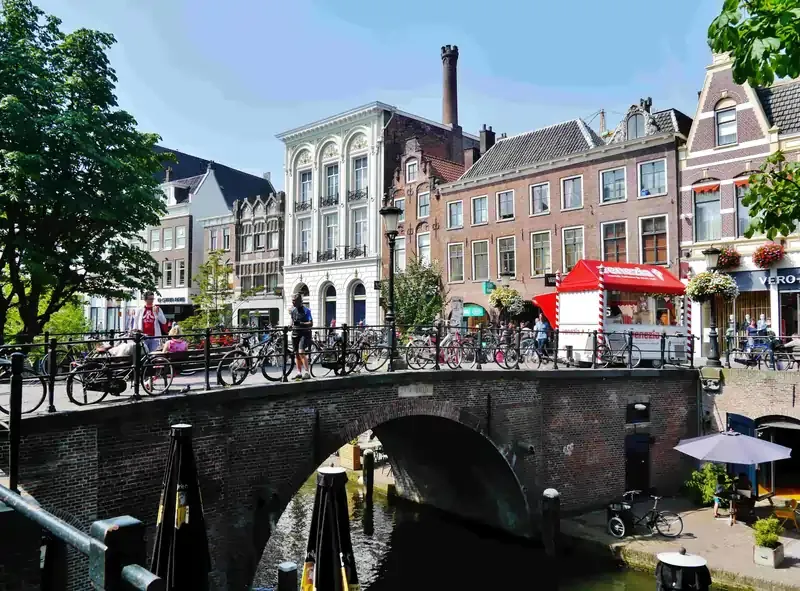
9. Amsterdam, Netherlands → Utrecht, Netherlands

Amsterdam Overview
- Number of residents: 1,196,130
- Number of tourists: 9,500,000
- Tourists per resident: 7.9
Amsterdam’s canals, museums, and cycling culture make it a top tourist destination, which also means overwhelmingly busy streets.
Why Utrecht? Utrecht offers a similar experience with fewer crowds. It has picturesque canals, cute little cafés, and beautiful architecture, plus, it’s just a short train ride from Amsterdam.
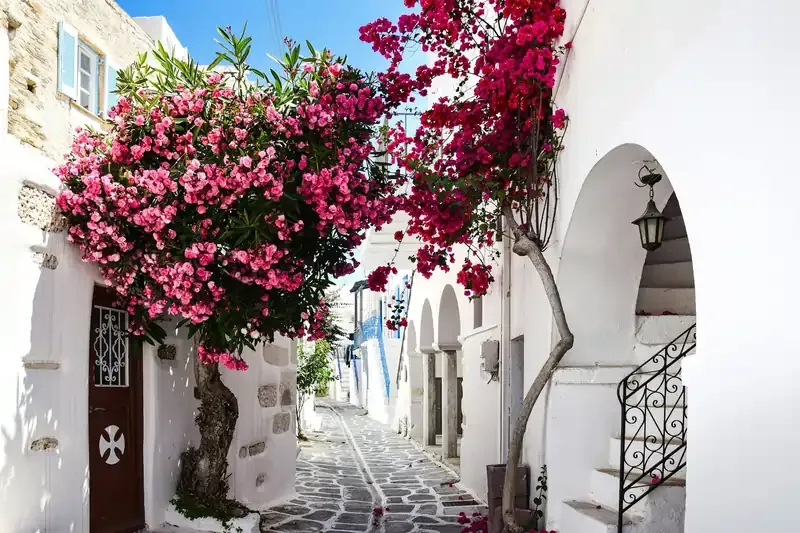
10. Santorini, Greece → Paros, Greece

Santorini Overview
- Number of residents: 15,480
- Number of tourists: 3,400,000
- Tourists per resident: 219.6
Santorini’s white-washed house, stunning sunsets and Instagram-worthy appeal attract millions, which makes it crowded and expensive.
Why Paros? Paros, another Greek island, has the same charming architecture, beautiful beaches, and breathtaking sunsets but is more affordable and relaxed.
Stay Connected with an eSIM

Highly rated 4.4/5.0 on Trustpilot

Save up to 50% on roaming

Fast and reliable network
No matter where your adventures take you in 2026, staying connected is essential for navigating new places, coordinating with family, and capturing unforgettable moments.
Discover the best restaurants in these beautiful destinations, get directions to attractions and keep everyone connected on the go, without risking unreasonable roaming charges.
We also offer a free trial eSIM so you can test it with peace of mind and make sure it meets your expectations.
Methodology
To determine the most overcrowded European destinations, Nomad analyzed popular tourist cities across the continent. Tourist density was calculated by dividing the total number of annual visitors by the city's urban land area (sq km). Cities were then ranked from highest to lowest based on their tourist density, highlighting the most overcrowded destinations for travelers looking to avoid packed hotspots this Easter break. Only cities with well-documented annual tourist figures and a clearly defined urban area were included to ensure accuracy. Nomad then cherrypicked alternative destinations based on geographical and cultural similarities and a lower tourist density.